
Blog
Hidden Highlights to Find and Pick around Mesa, AZ 85204
Downtown Pathways and Artistic Arcs
Start along Main Street, where the Mesa Arts Center anchors a cluster of creative spaces with bold architecture and outdoor sculpture. The Arizona Museum of Natural History beckons with prehistoric charm and Southwestern lore, while the i.d.e.a. Museum sparks curiosity with hands-on exhibits that brighten any afternoon.
Meander a few blocks to find Pioneer Park’s broad greens framed by towering trees and a luminous play area that hums with local energy at dusk. Street murals color brick walls, cafes set out shaded tables, and the light-rail line hums past galleries and boutique storefronts. This central spine rewards slow exploration: an espresso savored on a patio, a quick detour into a design studio, or a sunset recital beneath glowing desert skies.
Desert Edges and Mountain Rims
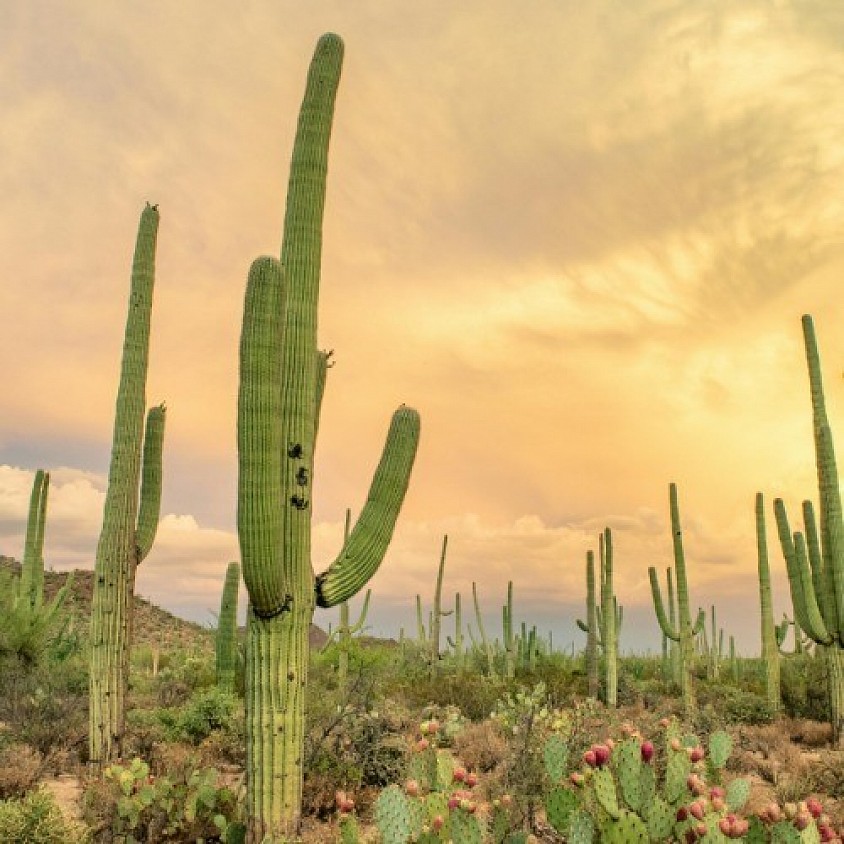
On the rim of the city, the landscape stretches into buff-hued foothills and saguaro forests. Usery Mountain Regional Park’s trails wind through fragrant creosote and brittlebrush, revealing wide-angle views that shift with the light. The Wind Cave Trail ascends to a breezy alcove carved in stone, while easier loops invite contemplation among barrel cacti and lizards skittering across granitic soil.
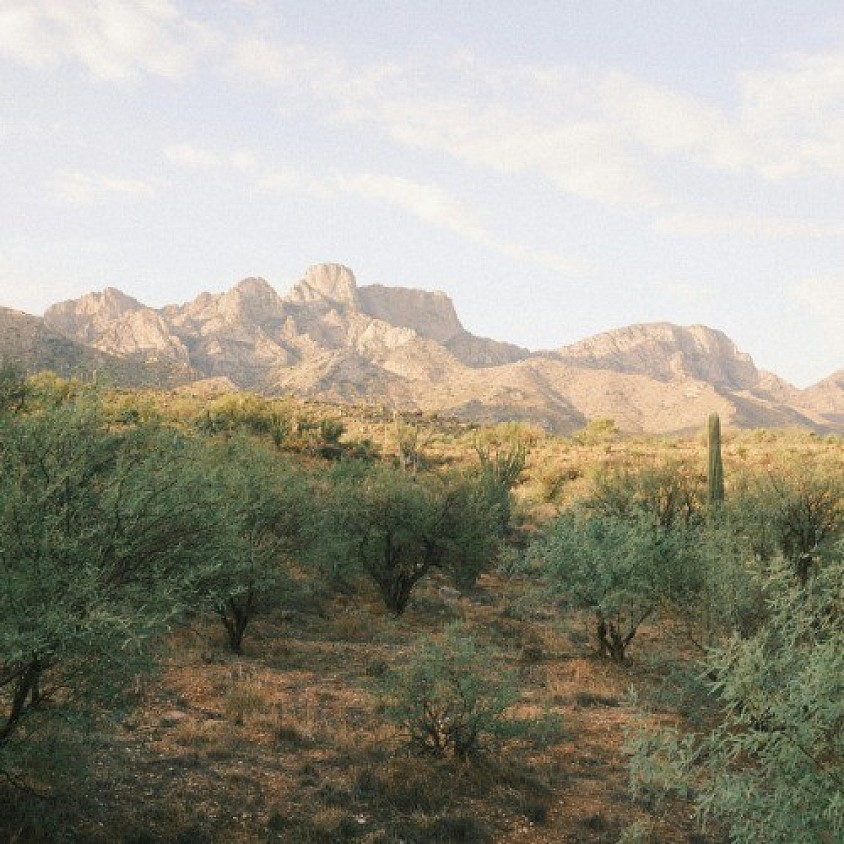
To the east, the Superstition Mountains brood like a myth made real, drawing hikers and photographers to Lost Dutchman State Park. At golden hour, the range burns copper, and silence settles like a soft shawl. Choose a sunrise ramble or a twilight amble; either way, the desert speaks in hushed, resilient tones.
Rivers, Lakes, and Cool Reprieves
When the desert warms, water calls. The Salt River curls past red buttes and cottonwood groves, offering runnels of shade where herons linger and anglers wait in patient reverie. Saguaro Lake glitters against canyon walls, acting as a mirror for hawks circling high overhead.
Canyon Lake narrows into serpentine channels ideal for quiet paddling, while the Granite Reef Recreation Area unveils sandy arcs and driftwood sculptures shaped by the current. In summer, breezes carry the scent of wet stone; in winter, hushed mornings reveal crisp reflections of cloud and cliff. Close by, Riverview Park’s lawns, shaded paths, and serene ponds invite families to lounge under mesquite canopies after a morning on the river.
Historic Threads and Cultural Crossroads
Mesa’s storylines weave through preserved sites and living traditions. Mesa Grande Cultural Park preserves a platform mound that speaks to ancient ingenuity, while the Commemorative Air Force Museum at Falcon Field chronicles flight with gleaming fuselages and tales of daring.
Downtown’s historic storefronts shelter contemporary chefs and artisans, stitching past to present with adaptive reuse that feels both respectful and fresh. Nearby, the Mesa Historical Museum highlights community roots and regional transitions, translating archives into compelling narratives. These places make history tactile: textured adobe, polished rivets, well-worn brick, and the shared memory of a city that keeps remaking itself without erasing the traces of what came before.
Parks, Preserves, and Neighborhood Retreats
Green pockets interlace neighborhoods with space to breathe. Red Mountain Park spreads broad fields beneath its namesake ridge, while Dobson Ranch Park rings with the laughter of weekend picnics.
The Riparian Preserve at Water Ranch in nearby Gilbert forms a sanctuary for migrating birds and solitary walkers alike, its paths looping around shimmering basins ringed by reeds. Pioneer Park’s renewed gardens and shaded promenades invite a languid stroll, and Mesa’s tree-lined residential lanes unfurl into pocket parks where neighbors chat under palo verde blossoms. These everyday refuges shine brightest at first light, when dew beads on Bermuda grass and the day’s heat hasn’t yet pressed its insistence on the earth.
Desert Towns and Scenic Byways
Venture along the Apache Trail and the scenery grows rugged and cinematic. Tortilla Flat, nestled between sunlit cliffs, exudes frontier charm with wood-planked facades and echoes of old road lore. Goldfield Ghost Town stands as a theatrical remnant of mining days, its weathered storefronts and staged street scenes playing to the landscape’s dramatic temperament.
Farther west, Papago Park’s honeycombed buttes frame sunset strolls, while the Desert Botanical Garden unfurls a living catalog of succulents, cacti, and rare blooms from arid corners of the globe. Each turn reveals a striking contrast—stark rock, soft petals, and expansive sky—reminding travelers that beauty thrives in places both austere and abundant.
Ballparks, Boulevards, and Local Color
Sports and street life shape the seasonal rhythms of the city. Sloan Park hums with the crack of bats and the thrum of anticipation as fans gather on green berms to trade predictions and soak up the sun together. Hohokam Stadium, set amid swaying palms, holds afternoon games steeped in neighborhood pride.
Between innings and errands, head to the Mesa Market Place Swap Meet for a treasure hunt among crafts, vintage finds, and fragrant snacks. On nearby boulevards, independent eateries plate regional comfort food, while food trucks circle up under strings of lights. The result is a city that socializes outdoors, where casual encounters lead to new tastes and fresh recommendations.
Campus Energy and Cultural Neighbors
Just to the west, the Arizona State University campus in Tempe adds academic verve and architectural drama. Gammage Memorial Auditorium stands as a sculptural beacon, and Mill Avenue’s sidewalks teem with music, bookstores, and street performers. Tempe Town Lake casts long silver reflections along its trails, drawing joggers, cyclists, and families in a steady hum of motion.
Across the valley, the Heard Museum curates Indigenous art with dedicated care, while Old Town Scottsdale blends galleries with mid-century flair and desert-contemporary style. These neighboring districts complement Mesa’s character, offering day-trip variety within an easy sweep of the compass.
Sample Itinerary: A Day of Finds and Picks
Use the morning cool to map a loop that balances culture, nature, and a dash of whimsy. Consider this casual progression of stops:
Usery Mountain Regional Park: Enjoy a short trail and wide-open views at sunrise.
Downtown Mesa’s Main Street: Grab coffee and take a spin through the Mesa Arts Center.
Arizona Museum of Natural History or i.d.e.a. Museum: Spend a reflective hour exploring interactive exhibits.
Riverview Park & Granite Reef: Relax in the midday shade at the park, then enjoy a scenic pause along the Salt River.
Lost Dutchman State Park or Papago Park: Take in the golden-hour scenery on a sunset stroll.
Neighborhood Dining & Main Street: Enjoy evening plates at a local eatery, followed by a nightcap walk past downtown murals.
Each stop layers texture into the day: sandstone underfoot, the clink of cups on tabletops, the hush of a gallery, and the rustle of cottonwoods before dark.
Practical Notes and Seasonal Nuance
Plan around the sun, carry plenty of water, and favor breathable fabrics. Early hours reward hikers with cooler air and uncluttered trails, while twilight transforms architecture and desert silhouettes into luminous studies in shadow.
Weekdays are usually calmer at popular spots, and shoulder seasons bring milder breezes that make patios irresistible. Bring a light layer for air-conditioned museum interiors and lakeside gusts. Above all, leave room for serendipity: a side street you hadn't noticed, a quiet bench with a perfect view, or a neighborhood park that invites you to linger just a little longer.
Where to Wander and Discover Around Mesa, Arizona | (480) 833-0302
Downtown Mesa’s Creative Corridor
Main Street in Mesa hums with a blend of galleries, public art, and performance spaces that turn a simple stroll into a cultural ramble. The Mesa Arts Center anchors the district with rotating exhibits and a lively calendar, while public sculptures punctuate sidewalks and pocket plazas.
Murals spill across brick walls, adding color and character to side streets that reward curiosity. Cafés and small eateries lend a neighborhood cadence, making it easy to linger between venues. For travelers who favor hands-on experiences, the nearby i.d.e.a. Museum focuses on interactive creativity that appeals across all ages. After sunset, the area softens into warm light and quiet conversation, ideal for a slow walk beneath palms and string lights.
Museums That Illuminate the Desert Story
Mesa and its neighbors shelter institutions that trace the region’s layered past. The Arizona Museum of Natural History presents the Sonoran landscape as a living archive—fossils, geology, and Indigenous histories arranged in thoughtful sequences that reward close reading.
A short hop east brings you to Mesa Grande Cultural Park, where the preserved platform mound offers a contemplative glimpse into ancient Hohokam engineering and community planning. In Phoenix, the S’edav Va’aki Museum expands that perspective with excavated dwellings and interpretive trails. Each museum complements the others, creating a circuit that moves from the deep past to the present without feeling repetitive. The curation emphasizes context: irrigation canals, seasonal cycles, and trade networks that shaped settlement patterns and continue to inform modern life in the Valley.
Parks, Preserves, and Desert Quietude
Desert trails radiate from Mesa into nearby preserves, where saguaros stand like sentinels and the sky unfolds in an uninterrupted dome. Usery Mountain Regional Park is a local favorite, offering winding routes that gain elevation slowly and reward patient hikers with panoramic vistas.
To the southeast, San Tan Mountain Regional Park undulates across open terrain, making it especially peaceful in the early hours when the air is crisp and birdsong carries. The McDowell Sonoran Preserve, located a bit farther away, reveals granite boulders and wind-polished washes—landforms that encourage unhurried observation. When the heat builds, shaded ramadas and mesquite bosque pockets provide a welcome pause. Even brief strolls feel restorative here, thanks to the interplay of light, shadow, and the faint scent of creosote after a rare drizzle.
Water’s Edge: Lakes, Rivers, and Riparian Havens
Despite its arid reputation, the East Valley is threaded with waterways that change the rhythm of a day. The Lower Salt River flows through stands of cottonwood and willow, creating a landscape that can feel worlds away from city streets. At sunrise, the water glows and the banks stir with wildlife, offering moments that feel cinematic yet serene.
Saguaro Lake and Canyon Lake, reached via scenic drives, invite picnics, shoreline walks, and photography when the cliffs shift colors with the sun. In Gilbert, the Riparian Preserve at Water Ranch offers loop paths, observation decks, and quiet benches suited for birders and anyone craving a contemplative hour. Meanwhile, Tempe Town Lake, framed by bridges and pathways, is ideal for an evening stroll when the breeze lifts and city lights begin to dance on the water.
Historic Echoes and Desert Architecture
The Valley’s built environment tells its own desert chronicle. Park of the Canals in Mesa reveals remnants of ancient waterways, serving as an understated yet profound site where engineering ingenuity is written into the soil.
Head west to Papago Park and you will encounter sandstone buttes and the famed natural arch at Hole-in-the-Rock—elements that feel sculpted by time. Nearby, the Desert Botanical Garden demonstrates resilient beauty through curated trails featuring cacti, agaves, and seasonal blooms that challenge expectations of aridity.